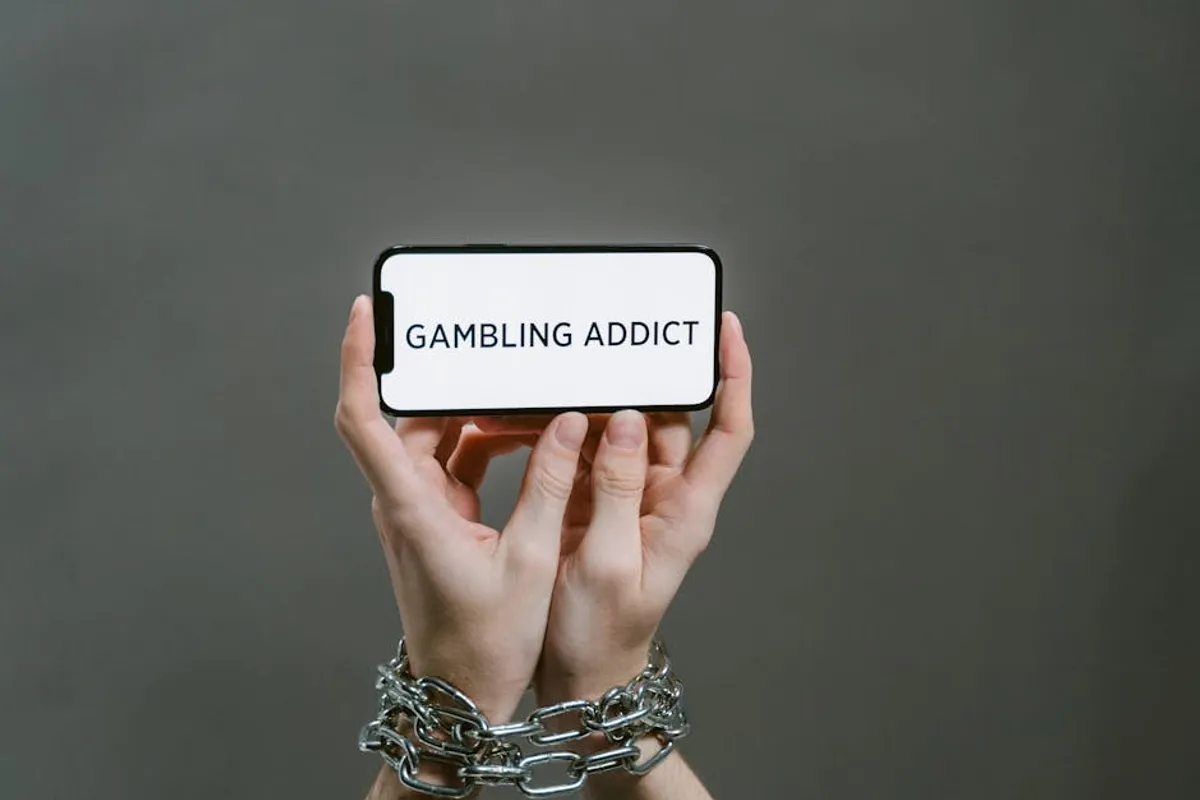
Engaging with online slots offers a distinct form of entertainment, characterized by rapid play and varied outcomes. While the appeal lies in the potential for significant wins and the immersive themes, maintaining control is paramount for a positive experience. Responsible gambling for slots players isn't about eliminating the activity but about establishing a framework that ensures it remains a recreational pursuit, free from financial strain or emotional distress. This framework involves proactive strategies for managing finances, time, and emotional responses, ensuring that the enjoyment of slot play is sustainable and healthy.
Understanding Slot Mechanics and Volatility
Before engaging with any slot game, understanding its fundamental mechanics provides a crucial foundation for responsible play. Key metrics like Return to Player (RTP) percentage and volatility directly influence the player experience and potential outcomes.
- Return to Player (RTP): This percentage indicates the theoretical amount of wagered money a slot machine pays back to players over a large number of spins. A 96% RTP means that, on average, for every $100 wagered, the machine returns $96. This is a long-term average and individual sessions will vary significantly. Understanding RTP helps set realistic expectations about potential returns versus losses.
- Volatility (or Variance): Volatility describes the risk level associated with a particular slot. Low volatility slots offer more frequent, smaller wins, extending playtime with less risk to your bankroll. High volatility slots, conversely, offer less frequent but potentially larger wins, requiring a larger bankroll and higher risk tolerance. Mismatching your play style or budget with a slot's volatility can quickly lead to frustration or rapid depletion of funds.
Recognizing these elements allows players to select games that align with their budget and risk appetite, fostering a more controlled and enjoyable session rather than simply chasing large jackpots without foresight.
Setting Financial Boundaries
Effective financial management is the cornerstone of responsible slot play. This involves pre-determining exactly how much money you are willing to spend and adhering strictly to that limit, regardless of session outcomes.
Budgeting for Sessions
Before you start playing, allocate a specific amount of money for your session, whether it's daily, weekly, or monthly. This budget should be disposable income, meaning money you can afford to lose without impacting essential expenses like rent, groceries, or bills. Once this budget is set, transfer it to a separate, dedicated fund or account, distinct from your main finances. This physical separation reinforces the boundary and prevents accidental overspending.
Understanding Bet Sizes
Your chosen bet size directly impacts how long your budget will last. If you have a $50 budget and play a slot with a minimum bet of $1 per spin, you have 50 spins. If the minimum bet is $0.10, you have 500 spins. Adjusting your bet size relative to your budget and the slot's volatility can significantly extend playtime, allowing for more entertainment without needing to deposit more money. Avoid increasing bet sizes to "chase losses," as this typically accelerates financial depletion.
Managing Time and Frequency
Just as important as financial limits are time limits. Unrestricted play can lead to fatigue, poor decision-making, and a blurring of the lines between entertainment and obligation.
Establish clear time limits for each slot session before you begin. For instance, decide you will play for no more than 60 minutes. Use an external timer or alarm to signal the end of your session. Taking regular breaks, even short ones, can help maintain perspective and prevent getting too engrossed. Avoid playing slots when you are tired, stressed, or under the influence of alcohol, as these states impair judgment and increase susceptibility to impulsive decisions.
Pro Tip: Implement a "cooling-off" period. If you experience a significant win or loss, step away from the game for at least 30 minutes. This allows emotions to stabilize and prevents impulsive decisions to immediately re-wager winnings or chase losses, which are common pitfalls in slot play.
Recognizing Problematic Behavior
Responsible play also involves self-awareness and the ability to identify when gambling transitions from entertainment to a potential problem. Recognizing these signs early is crucial for intervention.
Look for these indicators:
- Spending more money or time on slots than intended.
- Chasing losses, believing you can win back money you've lost.
- Feeling irritable or restless when trying to cut down or stop playing.
- Neglecting responsibilities at work, school, or home due to slot play.
- Borrowing money or selling possessions to fund slot play.
- Lying to family or friends about the extent of your gambling.
- Using slots as an escape from problems, stress, or anxiety.
If you notice several of these behaviors consistently, it's a strong signal that your relationship with slot play may be becoming unhealthy and requires attention.
Utilizing Responsible Gaming Tools
Many online platforms provide built-in tools designed to help players manage their gambling habits. These tools are often customizable and can be highly effective when used proactively.
Common tools include:
- Deposit Limits: Set a maximum amount you can deposit over a specific period (daily, weekly, monthly). Once this limit is reached, you cannot deposit more funds until the period resets.
- Loss Limits: Define the maximum amount of money you are willing to lose within a set timeframe. The system will prevent further play once this threshold is met.
- Session Limits: Restrict the duration of your play sessions. After the set time, the game will automatically log you out or prevent further wagers.
- Self-Exclusion: This is a more drastic measure where you voluntarily exclude yourself from accessing the platform for a specified period (e.g., six months, one year, or permanently). During this time, you will not be able to log in or create new accounts.
Activating these tools before you start playing can provide an essential layer of protection, enforcing your self-imposed limits even when willpower might wane.
Seeking Support When Needed
For some individuals, responsible gaming tips and self-imposed limits may not be sufficient. If you or someone you know is struggling with problem gambling, professional help and support networks are available.
Numerous organizations offer confidential advice, counseling, and support groups. These resources provide structured approaches to recovery and coping mechanisms. Reaching out is a sign of strength and the first step toward regaining control. Do not hesitate to seek assistance if you feel overwhelmed or unable to manage your slot play independently.
Establishing Sustainable Slot Play
Responsible slot play is an ongoing commitment to self-awareness and self-control. It involves continuously monitoring your habits, adjusting your approach as needed, and prioritizing your well-being over the pursuit of wins. By integrating financial limits, time management, and the use of available responsible gaming tools, slot play can remain a form of enjoyable entertainment without detrimental consequences. The goal is to ensure that the thrill of the game never overshadows the importance of a balanced and healthy lifestyle.
Frequently Asked Questions
What is the core principle of responsible gambling for slots?
The core principle is to treat slot play as entertainment, not a source of income, and to maintain control over the time and money spent, ensuring it does not negatively impact personal finances, relationships, or mental well-being.
How can I effectively budget for playing slots?
Determine a specific amount of disposable income you are comfortable losing, and allocate it for your slot sessions. Keep this money separate from essential funds and stick strictly to this budget, avoiding the temptation to deposit more if it runs out.
What are self-exclusion tools, and how do they work?
Self-exclusion tools allow you to voluntarily prevent yourself from accessing online gambling platforms for a predetermined period. Once activated, you cannot log in or create new accounts on that platform until the exclusion period expires, providing a robust barrier against impulsive play.
When should I consider seeking help for my slot playing habits?
You should consider seeking help if you find yourself chasing losses, spending more than you can afford, neglecting responsibilities, feeling guilty about your play, or if slot machines are negatively affecting your mood or relationships. Many organizations offer free, confidential support.