

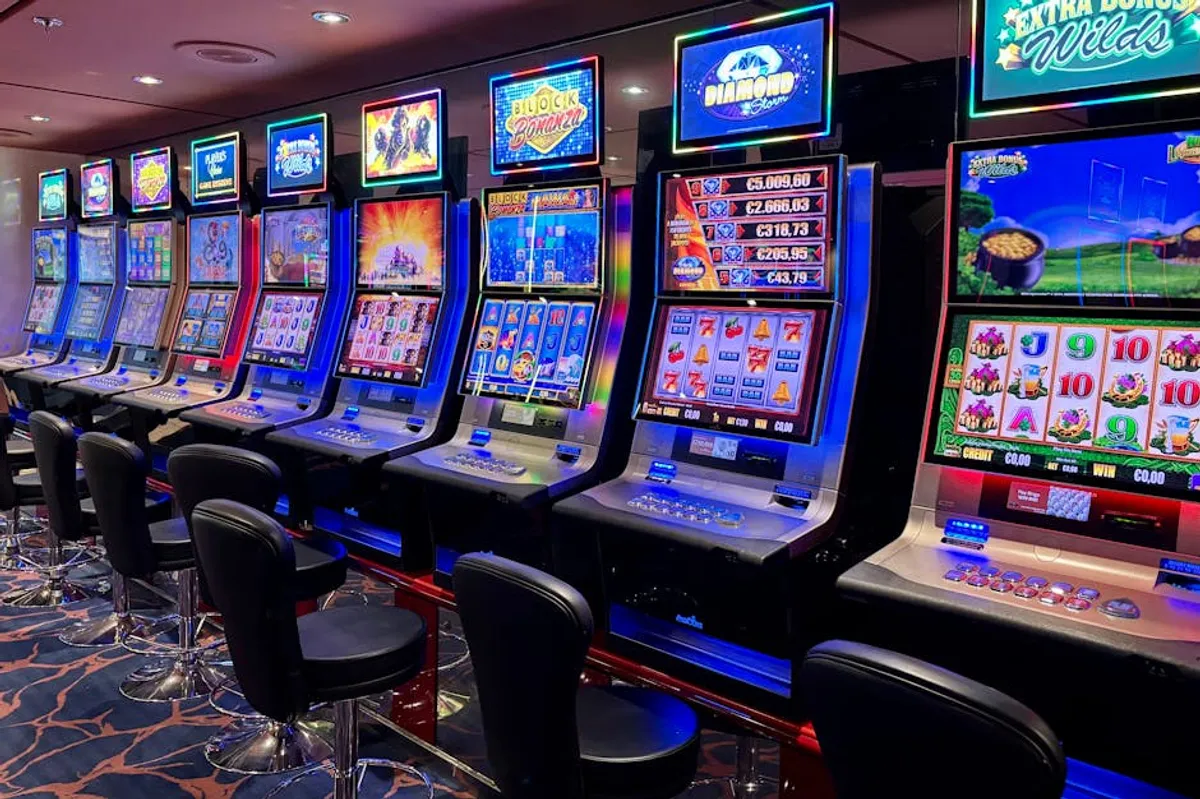
Navigating the online casino landscape in the Netherlands requires a clear understanding of both player preferences and regulatory compliance. With the Dutch market opening to regulated online gambling, players face a broader selection of platforms. The critical decision for any player revolves around identifying an online casino that not only offers an engaging gaming experience but also operates within the legal framework established by the Kansspelautoriteit (KSA). This guide outlines the essential criteria and considerations for Dutch players to make informed choices, ensuring both security and enjoyment. For players seeking a secure and enjoyable experience, understanding the core principles of how to choose safer online casinos is paramount.
Understanding the Dutch Regulatory Framework
The foundation of a secure online gaming experience in the Netherlands rests on the KSA license. Since October 2021, online gambling has been regulated under the Remote Gambling Act (KOA), which mandates that all operators targeting Dutch players must hold a valid license issued by the KSA. This licensing process involves rigorous checks on an operator's financial stability, data security measures, responsible gaming policies, and game fairness.
- Player Protection: Licensed operators are legally bound to protect player data and funds, ensuring fair play and transparent operations.
- CRUKS Integration: All KSA-licensed casinos are integrated with CRUKS (Centraal Register Uitsluiting Kansspelen), a national self-exclusion register. This allows players to voluntarily exclude themselves from all licensed gambling activities for a specified period, promoting responsible gaming.
- Taxation: Winnings from KSA-licensed casinos are generally tax-exempt for players, as the operators handle the gambling tax. This differs from unlicensed sites where players might be liable for taxes on their winnings.
Prioritizing KSA-licensed platforms is not merely a recommendation; it is a fundamental requirement for legal and safe online gambling in the Netherlands.
Selecting the Right Game Portfolio
Beyond regulatory compliance, the variety and quality of games offered significantly influence a player's experience. A comprehensive online casino typically provides a diverse range of options, catering to different tastes and risk appetites.
Common game categories include:
- Slots: Ranging from classic three-reel games to modern video slots with intricate themes, bonus features, and progressive jackpots. Look for titles from reputable software providers known for fair RTP (Return to Player) percentages.
- Table Games: Classics like Blackjack, Roulette (European, American, French variations), Baccarat, and various Poker adaptations. The availability of multiple variants offers strategic depth.
- Live Casino: Live dealer games bridge the gap between online and land-based casinos, offering real-time play with human dealers streamed from a studio. This category often includes live versions of traditional table games, along with game shows.
- Other Games: Some casinos also feature scratch cards, bingo, keno, and virtual sports, providing additional entertainment options.
Evaluate the game library for both breadth and depth, paying attention to the software providers powering the games. Reputable providers like NetEnt, Evolution Gaming, Play'n GO, and Pragmatic Play are often indicators of quality and fair play.
Navigating Bonuses and Promotions
Online casinos frequently offer bonuses to attract new players and retain existing ones. These can significantly enhance a player's starting capital or provide additional play opportunities, but understanding their terms is crucial.
Key bonus types:
- Welcome Bonuses: Often a match deposit bonus, where the casino matches a percentage of the player's initial deposit up to a certain amount. Free spins on specific slot games may also be included.
- No-Deposit Bonuses: Less common, these offer a small amount of bonus funds or free spins without requiring an initial deposit.
- Reload Bonuses: Similar to welcome bonuses but offered to existing players on subsequent deposits.
- Loyalty Programs: Reward regular players with points that can be exchanged for cash, bonuses, or other perks.
Pro Tip: Always read the full terms and conditions (T&Cs) associated with any bonus before opting in. Pay close attention to wagering requirements (how many times the bonus amount must be played through), game contribution percentages (which games count towards wagering), maximum bet limits, and bonus expiry dates. A large bonus with restrictive T&Cs may offer less value than a smaller bonus with more favorable terms.
Secure Payment Methods for Dutch Players
Efficient and secure banking options are essential for depositing and withdrawing funds. Online casinos targeting the Dutch market typically support a range of payment methods that are popular and trusted locally.
Common payment options include:
- iDEAL: This is a dominant online payment system in the Netherlands, allowing direct bank transfers from Dutch bank accounts. Its speed and security make it a preferred choice for many players.
- Credit/Debit Cards: Visa and Mastercard are widely accepted for both deposits and withdrawals.
- E-wallets: Services like PayPal, Skrill, and Neteller offer fast transactions and an additional layer of privacy as they act as intermediaries between your bank and the casino.
- Bank Transfers: Direct bank transfers are available but typically have longer processing times compared to other methods.
Check for transaction limits, processing times, and any associated fees for both deposits and withdrawals. Reputable casinos will clearly outline these details in their banking section.
Mobile Gaming Accessibility
The ability to play on the go has become a standard expectation. Most modern online casinos offer robust mobile compatibility, either through dedicated applications or optimized mobile websites.
Considerations for mobile play:
- Dedicated Apps: Some casinos provide native apps for iOS and Android devices, offering a streamlined experience with push notifications and potentially faster loading times.
- Mobile-Optimized Websites: Many casinos design their websites using responsive technology, ensuring they adapt seamlessly to various screen sizes and operating systems directly through a mobile browser, without requiring an app download.
Ensure that the mobile platform offers a full range of games, secure banking, and access to customer support, mirroring the desktop experience as closely as possible.
Prioritizing Responsible Play
Responsible gaming is a cornerstone of KSA regulation and a critical aspect for players. Licensed casinos provide tools and resources to help players manage their gambling habits.
Key responsible gaming tools:
- Deposit Limits: Set daily, weekly, or monthly limits on how much money can be deposited.
- Loss Limits: Restrict the maximum amount that can be lost within a specific timeframe.
- Session Limits: Control the duration of gaming sessions.
- Self-Exclusion: Allows players to temporarily or permanently block themselves from accessing the casino. Integration with CRUKS ensures this exclusion applies across all licensed Dutch operators.
- Reality Checks: Pop-up reminders that inform players how long they have been playing.
Familiarize yourself with these tools and utilize them proactively to maintain control over your gaming activities. A responsible approach enhances long-term enjoyment.
Making an Informed Choice
Choosing an online casino in the Netherlands involves more than just finding attractive games or bonuses. It requires a systematic evaluation of regulatory compliance, game variety, bonus fairness, payment security, mobile accessibility, and responsible gaming provisions. By prioritizing KSA-licensed operators and carefully reviewing each of these aspects, Dutch players can select a platform that aligns with their entertainment preferences while ensuring a safe and regulated environment.
Frequently Asked Questions
Are online casinos legal in the Netherlands?
Yes, online casinos are legal in the Netherlands provided they hold a valid license issued by the Kansspelautoriteit (KSA) under the Remote Gambling Act (KOA), which came into effect in October 2021.
What is CRUKS and why is it important?
CRUKS (Centraal Register Uitsluiting Kansspelen) is a national self-exclusion register for gambling in the Netherlands. All KSA-licensed casinos must integrate with CRUKS, allowing players to exclude themselves from all licensed gambling activities for a chosen period, promoting responsible gaming.
Which payment methods are popular for Dutch players?
iDEAL is a highly popular and secure payment method for Dutch players, allowing direct bank transfers. Other common options include credit/debit cards (Visa, Mastercard), e-wallets (PayPal, Skrill, Neteller), and traditional bank transfers.
Are winnings from online casinos taxed in the Netherlands?
Winnings from KSA-licensed online casinos are generally tax-exempt for players, as the licensed operators are responsible for paying the gambling tax directly to the Dutch government.



