

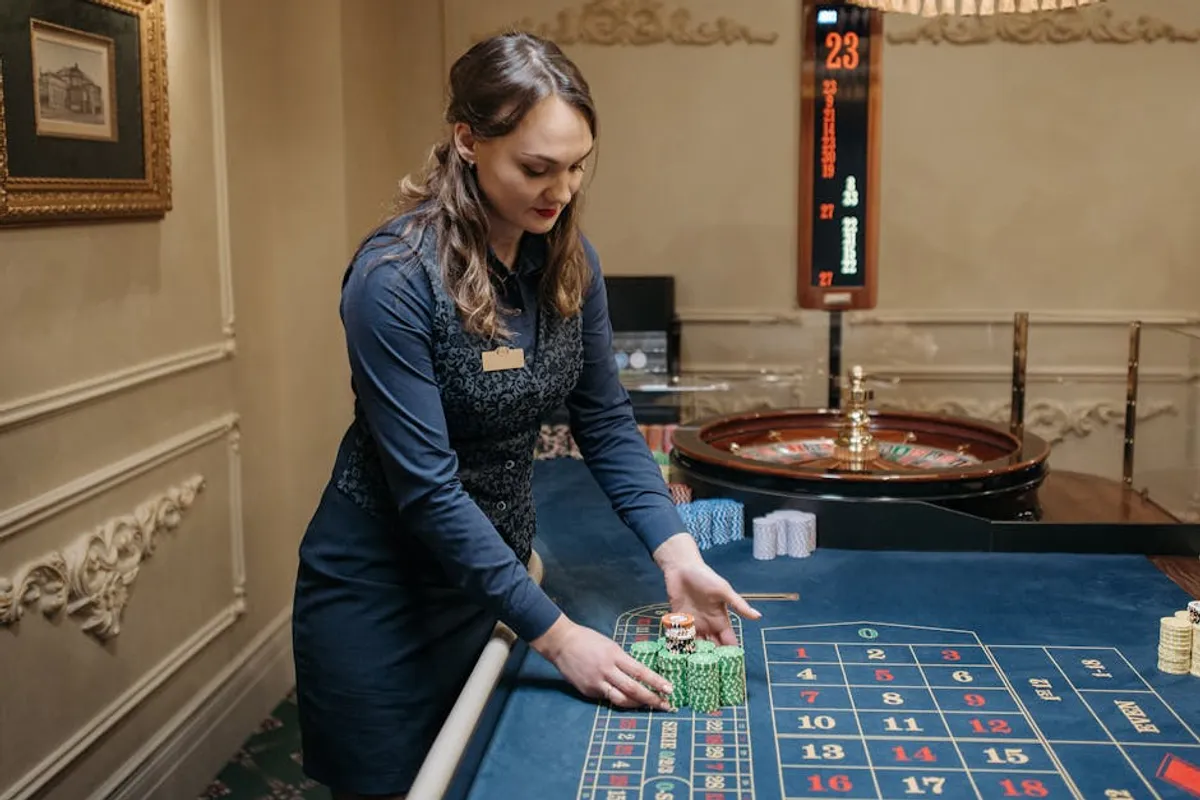
Live dealer games bridge the gap between traditional online play and the immersive atmosphere of a physical casino. For beginners, the combination of real-time interaction, human dealers, and strategic decision-making can feel both exciting and intimidating. Unlike automated digital games, live dealer environments introduce elements like pace, player interaction, and the visible shuffling of cards or spinning of a wheel, requiring a slightly different approach. This guide focuses on foundational strategies and practical tips designed to equip new players with the confidence and understanding needed to navigate these dynamic games effectively, aiming to enhance enjoyment and improve initial outcomes.
Core Principles for Live Dealer Beginners
Before diving into specific game strategies, several overarching principles apply across most live dealer offerings. Adhering to these foundational concepts can significantly impact a beginner's experience and financial longevity.
Bankroll Management
Effective bankroll management is the single most critical strategy for any beginner. It involves setting a strict budget for your play and adhering to it, regardless of outcomes. Determine an amount you are comfortable losing and never exceed it. Divide this total into smaller session budgets, ensuring that a single bad streak does not deplete your entire fund. This approach prevents chasing losses and allows for sustained play over time, transforming potential high-risk gambling into a more measured entertainment activity.
Game Selection and Rule Comprehension
Not all live dealer games are equally suited for beginners. Start with simpler games that have straightforward rules and clear strategic paths. Blackjack and Baccarat are often recommended due to their relatively low house edge when played optimally, and their less complex decision trees compared to, for example, live dealer poker variants. Before placing any wagers, take the time to fully understand the specific rules of the table you've joined, including payout structures, side bet options, and minimum/maximum betting limits. Many live dealer platforms offer rule summaries or information panels within the game interface.
Observing Table Etiquette
Live dealer games replicate a social environment. While interactions are mediated through chat, maintaining polite and respectful communication with the dealer and other players is essential. Avoid aggressive language, personal attacks, or attempts to disrupt the game flow. Dealers are professionals facilitating the game, and respectful communication contributes to a positive atmosphere for everyone involved. Focus on your own decisions and enjoy the social aspect without letting it distract from your strategic play.
PRO TIP: Before placing your first wager in any live dealer game, spend a few minutes observing the game in progress. Watch how the dealer operates, how other players make decisions, and familiarize yourself with the interface. This passive observation costs nothing and can save you from costly beginner errors.
Strategic Approaches for Popular Live Dealer Games
While luck plays an undeniable role in live dealer games, applying basic strategies can shift the odds more favorably and reduce the house edge. Understanding the optimal plays for common scenarios is key.
Live Dealer Blackjack Strategy
Blackjack is a prime example where strategy significantly influences outcomes. The objective is to achieve a hand total closer to 21 than the dealer, without exceeding 21. Basic strategy involves making mathematically optimal decisions for every possible hand combination against the dealer's upcard. For beginners, memorizing or having access to a basic strategy chart is invaluable.
- Always Hit: If your hand is 8 or less, or a soft 17 (Ace and 6).
- Always Stand: If your hand is a hard 17 or more (no Ace, or Ace counted as 1).
- Split Aces and Eights: This is a standard strategic move.
- Never Split Fours, Fives, or Tens: These hands are stronger as they are.
- Double Down: When your hand is 11, or 10 against a dealer's weak upcard (2-9).
Adhering to basic strategy minimizes the house edge to typically less than 1%, making it one of the most player-favorable live dealer games.
Live Dealer Roulette Strategy
Roulette is largely a game of chance, but strategic betting can manage risk and extend playtime. For beginners, focusing on outside bets is generally recommended due to their higher probability of winning, albeit with lower payouts.
- Outside Bets: These include Red/Black, Odd/Even, High/Low (1-18/19-36), and Column/Dozen bets. They cover a larger portion of the wheel and offer nearly 50/50 odds (excluding the zero pocket) or 2:1 payouts.
- Inside Bets: These involve specific numbers or small groups of numbers. While offering higher payouts (e.g., 35:1 for a single number), their probability of hitting is much lower, making them riskier for beginners.
A common beginner strategy is to stick to outside bets, placing consistent, smaller wagers to prolong play and enjoy the experience without rapid bankroll depletion. Avoid complex "systems" that promise guaranteed wins; roulette's inherent randomness makes such systems ineffective in the long run.
Live Dealer Baccarat Strategy
Baccarat is known for its simplicity and relatively low house edge, making it an excellent choice for beginners. The game involves betting on whether the 'Player' hand or the 'Banker' hand will have a total closer to nine, or if it will be a 'Tie'.
- Betting on the Banker: The Banker bet historically has a slightly lower house edge (around 1.06%) compared to the Player bet (around 1.24%), due to specific drawing rules. While a small commission is typically taken on winning Banker bets, it remains the statistically superior choice over time.
- Avoiding the Tie Bet: The Tie bet offers a tempting high payout (often 8:1 or 9:1), but its house edge is significantly higher (around 14.36%). For beginners focused on preserving their bankroll and extending play, the Tie bet should be avoided entirely.
Baccarat requires minimal decision-making once bets are placed, allowing beginners to focus on observing the game flow and managing their wagers.
Maximizing Your Live Dealer Experience
Beyond game-specific strategies, several general practices can enhance your overall live dealer experience.
Leveraging In-Game Features
Most live dealer platforms integrate features designed to enrich the player experience. The chat function allows for interaction with the dealer and other players, adding a social dimension. Some games provide detailed statistics on past rounds, hot/cold numbers, or player/banker streaks. While these statistics should not dictate your strategy (as each round is independent), they can offer interesting context or inform your game selection if you prefer a particular trend.
Setting Time and Loss Limits
Just as important as bankroll management is setting time limits for your sessions. Extended play can lead to fatigue, impaired judgment, and deviation from your established strategy. Similarly, setting a loss limit for each session helps prevent emotional decisions and ensures you walk away before significant financial impact. Utilize any responsible gaming tools offered by the platform, such as self-exclusion or deposit limits, to reinforce these boundaries.
Learning from Observation
Live dealer environments provide a unique opportunity to learn by watching. Observe how experienced players make their decisions, particularly in games like Blackjack. While you shouldn't blindly imitate, understanding the rationale behind certain moves can deepen your comprehension of strategic play. Pay attention to the dealer's routine and the game's pace, which helps you adapt to the real-time nature of the play.
Actionable Steps for Confident Play
Embarking on live dealer games as a beginner requires a measured approach. Start by selecting one of the simpler games, such as Blackjack or Baccarat, and commit to understanding its basic strategy thoroughly. Begin with the lowest available stakes to minimize financial risk while you gain experience. Practice your bankroll and time management diligently, treating each session as an entertainment expense rather than a guaranteed income source. Regularly review your play, not just in terms of wins and losses, but also in adherence to your chosen strategy. This reflective practice builds confidence and refines your approach over time, leading to a more enjoyable and sustainable live dealer gaming experience.
Frequently Asked Questions
Are live dealer games fair?
Yes, reputable live dealer game providers operate under strict regulatory licenses. Their games are audited by independent third parties to ensure fairness, transparency, and the integrity of the physical equipment (cards, wheels) and digital systems.
Can I use strategy in all live dealer games?
While you can apply strategic thinking to most games, the effectiveness varies. Strategy has a significant impact on reducing the house edge in skill-based games like Blackjack. In games of pure chance like Roulette, strategy primarily focuses on bankroll management and risk assessment rather than influencing the outcome of individual rounds.
What's the best live dealer game for beginners?
Live Dealer Blackjack and Baccarat are generally considered the best starting points for beginners. Both offer relatively simple rules, clear strategic paths (especially Blackjack's basic strategy and Baccarat's Banker bet), and a low house edge when played optimally.
How important is bankroll management?
Bankroll management is critically important for all players, especially beginners. It ensures you play within your financial means, prevents impulsive decisions, extends your playing time, and safeguards against significant losses, making the experience sustainable and enjoyable.



