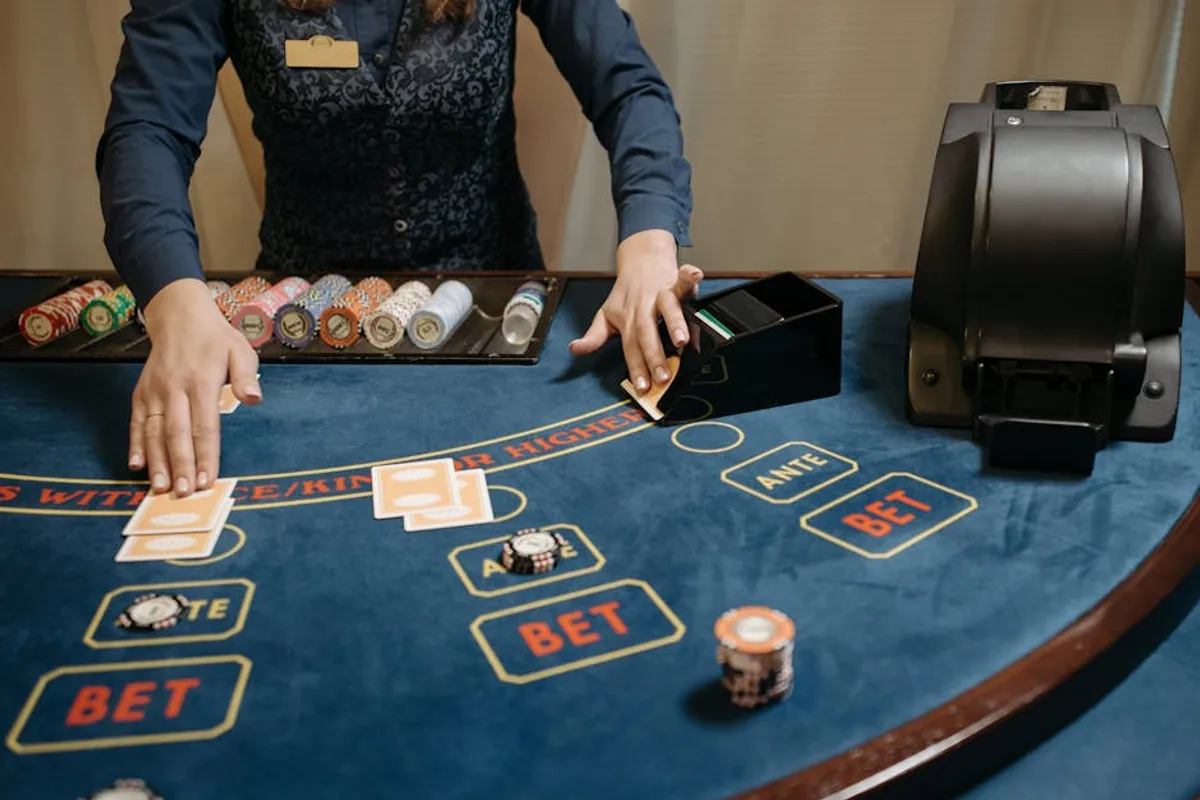
Live dealer casino games bridge the gap between traditional land-based casinos and the convenience of online play. They offer a real-time, interactive gaming experience streamed directly to a player's device, featuring human dealers, physical cards, and actual roulette wheels. This format provides a level of authenticity and social engagement often absent in fully automated online casino games. For players evaluating their online gaming options, understanding the mechanics, varieties, and operational considerations of live dealer tables is essential for making an informed choice that aligns with their preferences for immersion, interaction, and transparency.
The Operational Framework of Live Dealer Games
The core of a live dealer game relies on high-definition video streaming technology, transmitting the action from a dedicated studio or actual casino floor to the player. Optical Character Recognition (OCR) software plays a crucial role; it digitally translates physical actions, such as the value of a dealt card or the winning number on a roulette wheel, into data that the game's software can process. This integration allows players to place bets through a digital interface, with their actions immediately reflected in the live game. Human dealers manage the game flow, interact with players via chat functions, and announce results, mirroring the experience of a physical casino.
Key operational components:
- Live Streaming: High-definition video feeds from multiple camera angles capture the game in real-time.
- Game Control Unit (GCU): A small, physical device attached to every table, encoding the video broadcast and assisting the dealer.
- Optical Character Recognition (OCR): Software that converts physical game elements (cards, wheel results) into digital data.
- User Interface (UI): A digital overlay allowing players to place bets, view game history, and communicate with the dealer.
- Chat Functionality: Enables real-time text communication between players and the dealer, and sometimes between players.
Diverse Live Dealer Game Categories
The live dealer format extends across a broad spectrum of casino games, with new variations and proprietary titles frequently introduced. These games typically fall into classic table games and more modern, entertainment-focused game shows.
Traditional Table Games
These are the staples of any casino, adapted for the live streaming environment. The rules generally adhere to their land-based counterparts, with the added benefit of real-time interaction.
- Live Blackjack: Players aim for a hand value of 21 without exceeding it. Live versions often feature "Bet Behind" options, allowing players to wager on another seated player's hand, and side bets like "21+3" or "Perfect Pairs."
- Live Roulette: The dealer spins a physical wheel, and players bet on where the ball will land. Variations include European, American, and French Roulette, along with speed versions and immersive camera angles.
- Live Baccarat: A card game where players bet on the "Player," "Banker," or "Tie." Live Baccarat often includes squeeze options, allowing players to slowly reveal cards for added suspense.
- Live Poker Variants: Games like Casino Hold'em, Three Card Poker, and Caribbean Stud Poker pit the player against the dealer, not other players, offering a streamlined poker experience.
Live Game Shows
These titles blend traditional casino mechanics with elements of popular TV game shows, focusing heavily on entertainment, big multipliers, and engaging hosts.
- Dream Catcher: A large, vertically mounted wheel spun by a host. Players bet on the number the wheel will stop on, with multipliers offering larger payouts.
- Crazy Time: An evolution of Dream Catcher, incorporating four bonus rounds triggered by the wheel, such as Coin Flip, Pachinko, Cash Hunt, and the titular Crazy Time, all offering significant multiplier potential.
- Monopoly Live: Combines the Dream Catcher wheel with a 3D bonus round based on the classic board game, where players move around a virtual board collecting multipliers and prizes.
Advantages of Engaging with Live Dealer Games
The appeal of live dealer games stems from several distinct advantages they offer over purely software-driven online casino options.
Authenticity and Trust: The presence of a human dealer and physical equipment means players can visually verify the fairness of the game. They see cards being shuffled, wheels being spun, and dice being rolled in real-time, which enhances confidence in the game's integrity compared to Random Number Generator (RNG) outcomes.
Immersive Experience: High-definition video streams, professional studio settings, and multiple camera angles create an atmosphere that closely mimics a brick-and-mortar casino. This immersion is further enhanced by ambient sounds and the visual presence of other tables in some studios.
Social Interaction: The ability to communicate directly with the dealer and sometimes other players via a chat box adds a social dimension. Dealers often respond verbally to chat messages, providing a personalized and engaging experience that is absent in standard online casino games.
Pace Control (to an extent): While the game proceeds at the dealer's pace, it is often more measured than the rapid-fire rounds of RNG games, allowing players more time to consider their bets and enjoy the process.
Pro Tip: Before committing to a live dealer table, observe a few rounds without betting. This allows you to familiarize yourself with the dealer's pace, the specific rules in play (e.g., minimum bets, side bet options), and the overall table dynamic without financial risk. This also helps assess your internet connection's stability for that particular stream.
Key Considerations for Live Dealer Play
While offering significant benefits, live dealer games also come with specific operational considerations that players should be aware of.
- Internet Connection Stability: A consistent, high-speed internet connection is crucial for uninterrupted streaming. Lags or disconnections can disrupt gameplay and potentially lead to missed betting opportunities or confusion regarding game outcomes.
- Higher Betting Limits: Live dealer tables typically feature higher minimum betting limits compared to their RNG counterparts. This is due to the increased operational costs associated with staffing dealers, maintaining studios, and running streaming infrastructure.
- Slower Pace of Play: The human element means live games proceed at a more deliberate pace than automated games. Dealers take time to interact, shuffle cards, and manage the table, which can be a drawback for players who prefer rapid-fire betting.
- Limited Availability: While many live dealer games operate 24/7, some niche games or tables with specific language-speaking dealers may have more restricted operating hours. Seat availability can also be a factor for popular games like Blackjack, though "Bet Behind" options mitigate this.
Optimizing Your Live Dealer Gaming
To fully capitalize on the live dealer experience, a few practical steps can enhance your enjoyment and manage potential issues.
Ensure your device (desktop, tablet, or smartphone) and internet connection are robust enough to handle high-definition video streaming. A wired connection often provides more stability than Wi-Fi. Always review the specific rules and betting limits for each table before joining, as these can vary even within the same game type. Utilize the chat function respectfully; dealers are professionals, and courteous interaction contributes to a positive atmosphere. Finally, manage your bankroll effectively, understanding that the slower pace might lead to fewer rounds per hour but still requires disciplined betting.
Frequently Asked Questions
What is the primary difference between live dealer games and standard online casino games?
The main difference is the human element: live dealer games use real human dealers, physical cards, and actual roulette wheels streamed live, whereas standard online games rely on Random Number Generators (RNGs) to determine outcomes without human interaction.
Can I play live dealer games on my mobile device?
Yes, most live dealer platforms are optimized for mobile play, allowing you to access games directly through your device's web browser or via dedicated casino apps, provided you have a stable internet connection.
Are live dealer games genuinely fair and transparent?
Live dealer games are designed for transparency. Players can observe the entire game process in real-time, from shuffles and spins to card deals, which contributes to a perception of fairness and trust that mirrors a physical casino environment.
Do I need to download any special software to play live dealer games?
Typically, no. Most live dealer games are accessible directly through a web browser using HTML5 technology, meaning no additional software downloads are required beyond a standard, up-to-date browser.