

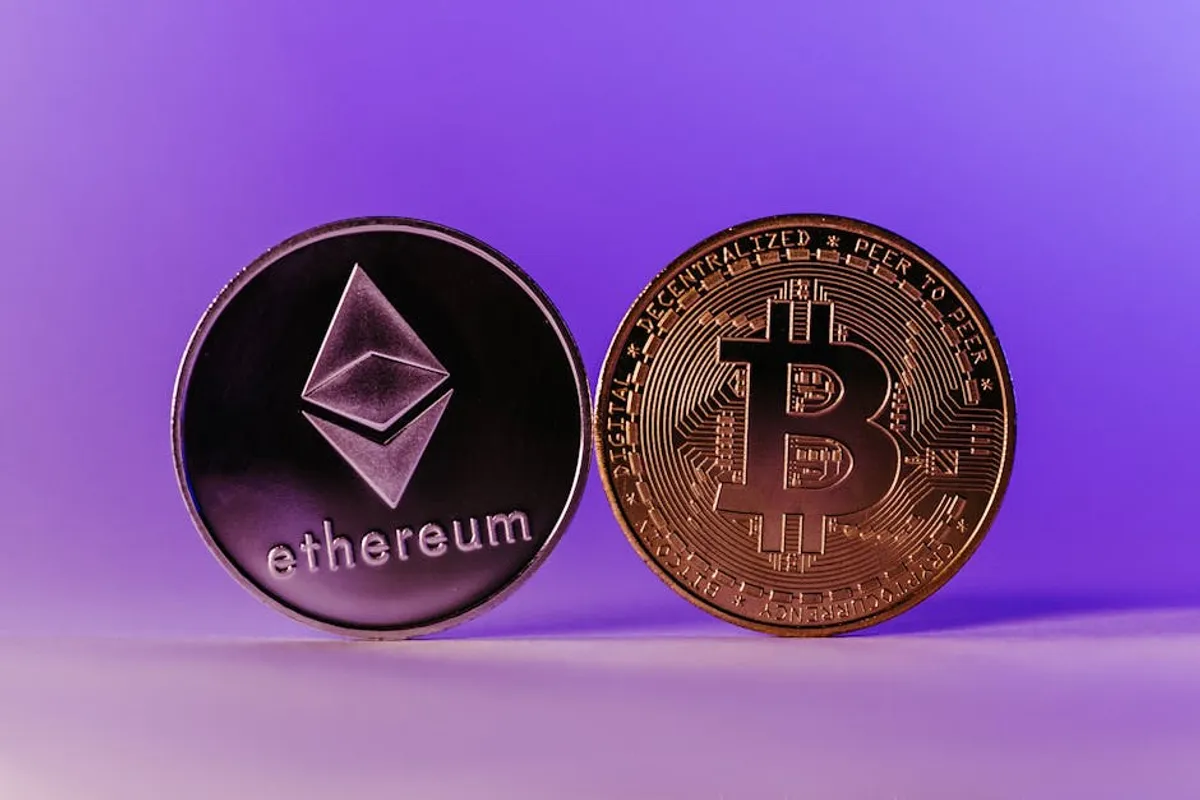
Engaging with online casinos often involves navigating various deposit methods, each with distinct advantages and operational nuances. For those exploring cryptocurrency options, Ethereum (ETH) stands out as a prominent choice. This guide details the practical mechanics of using Ethereum for casino deposits, from initial wallet setup and acquiring the digital asset to understanding transaction fees and security protocols. The objective is to provide a clear, actionable overview for users considering ETH as their primary funding method, highlighting both its efficiencies and specific considerations within the online gaming landscape.
What is Ethereum (ETH) and Its Role in Casino Transactions?
Ethereum is a decentralized, open-source blockchain with smart contract functionality. While Bitcoin primarily functions as a digital currency, Ethereum's blockchain supports a wider range of applications, including decentralized finance (DeFi) and non-fungible tokens (NFTs). For online casino deposits, ETH acts as a digital currency, facilitating peer-to-peer transactions without requiring traditional banking intermediaries. This fundamental design offers several commercial advantages for users seeking efficiency and control over their funds.
Key Characteristics of Ethereum for Transactions
- Decentralization: Transactions are processed and verified by a global network of computers, not a central authority, reducing single points of failure and censorship risk.
- Smart Contracts: While not directly used for simple deposits, the underlying technology allows for programmed agreements, ensuring transaction conditions are met automatically.
- Transparency: All transactions are recorded on a public ledger (the Ethereum blockchain), providing verifiable proof of transfer.
- Pseudonymity: Transactions are linked to wallet addresses, not personal identities, offering a layer of privacy compared to conventional banking methods.
- Global Accessibility: Ethereum operates without geographical restrictions, enabling deposits from virtually anywhere with internet access.
How Ethereum Casino Deposits Work: A Step-by-Step Guide
Depositing Ethereum into an online casino account involves a sequence of steps designed to ensure secure and verified transfer of funds. This process typically begins outside the casino platform itself.
Setting Up Your Ethereum Wallet
A digital wallet is essential for storing and managing your Ethereum. Wallets come in various forms, each with different features and security considerations:
- Software Wallets (Hot Wallets): These are applications installed on your computer or mobile device (e.g., MetaMask, Trust Wallet) or web-based services. They are convenient for frequent transactions but generally considered less secure than hardware wallets due to their online connectivity.
- Hardware Wallets (Cold Wallets): Physical devices (e.g., Ledger, Trezor) that store your private keys offline. They offer superior security for larger ETH holdings but require physical access for transactions.
- Exchange Wallets: Wallets provided by cryptocurrency exchanges where you purchase ETH. While convenient, these are custodial wallets, meaning the exchange controls your private keys. For regular casino deposits, transferring ETH to a non-custodial wallet (where you control the keys) before depositing is often recommended for better security and control.
When setting up any wallet, secure your seed phrase (a series of words) and private keys. These are the sole means of accessing your funds; loss or compromise means permanent loss of your Ethereum.
Acquiring Ethereum (ETH)
Once your wallet is ready, you need to acquire Ethereum. The most common methods include:
- Cryptocurrency Exchanges: Platforms like Coinbase, Binance, or Kraken allow you to buy ETH using fiat currency (USD, EUR, etc.) via bank transfer, credit/debit card, or other payment methods.
- Peer-to-Peer (P2P) Marketplaces: These platforms connect buyers and sellers directly, often allowing for more diverse payment options.
After purchase, transfer the ETH from the exchange wallet to your personal non-custodial wallet for better control before proceeding to the casino.
Initiating a Deposit at an Ethereum Casino
The final step involves transferring ETH from your personal wallet to the casino's designated deposit address:
- Navigate to the Casino's Deposit Section: Log into your casino account and find the "Deposit" or "Cashier" section.
- Select Ethereum (ETH) as Your Payment Method: The casino will display its unique Ethereum deposit address. This address is a long string of alphanumeric characters.
- Copy the Deposit Address: Carefully copy the exact address provided by the casino. Any error in copying could result in irreversible loss of funds.
- Open Your Ethereum Wallet: Access your personal wallet (e.g., MetaMask).
- Initiate a Send/Withdrawal Transaction: Paste the copied casino deposit address into the recipient field of your wallet's send function.
- Enter the Desired ETH Amount: Specify how much Ethereum you wish to deposit.
- Review and Confirm: Double-check the recipient address and the amount. Pay attention to the estimated network fee (gas fee) displayed by your wallet. Confirm the transaction.
The transaction will then be broadcast to the Ethereum network for verification. Once confirmed, the funds will appear in your casino account.
Transaction Speeds and Network Fees (Gas)
Ethereum transactions are not instantaneous and involve a fee structure known as "gas." Understanding these elements is crucial for managing expectations and costs.
Understanding Gas Fees
Gas is the unit of computational effort required to execute operations on the Ethereum network. Every transaction, from a simple ETH transfer to a complex smart contract interaction, consumes gas. The gas fee is paid in ETH and compensates miners (or validators in the proof-of-stake system) for processing and securing the network. Gas fees fluctuate based on network demand. During periods of high network congestion, fees can increase significantly, impacting the cost-effectiveness of smaller deposits.
Factors Influencing Transaction Speed
The speed at which your Ethereum deposit is confirmed depends primarily on two factors:
- Gas Price: Users can set a "gas price" they are willing to pay per unit of gas. Higher gas prices incentivize miners/validators to prioritize your transaction, leading to faster confirmation. Wallets usually suggest an optimal gas price, but users can adjust it.
- Network Congestion: When the Ethereum network is busy, the number of pending transactions (the mempool) increases. This can cause delays, as transactions with lower gas prices might wait longer for inclusion in a block.
Typically, an Ethereum transaction can be confirmed within a few minutes to an hour, depending on the network state and the gas price paid. Casinos usually require a certain number of network confirmations (e.g., 6-12 confirmations) before crediting the funds to your account, adding a slight delay.
Pro Tip: Before initiating an Ethereum deposit, check the current average gas fees on a dedicated gas tracker website (e.g., Etherscan Gas Tracker). This provides real-time data on network congestion and helps you estimate transaction costs, allowing you to choose an optimal time for your deposit to minimize fees and wait times.
Security and Anonymity Considerations
Using Ethereum for casino deposits introduces a different set of security and privacy dynamics compared to traditional payment methods.
Blockchain Security Advantages
The Ethereum blockchain is secured by cryptographic principles and a decentralized network. Once a transaction is confirmed and added to a block, it is virtually immutable and cannot be reversed or altered. This inherent security protects against fraudulent chargebacks and ensures the integrity of the transaction record.
Pseudonymity vs. Anonymity
Ethereum transactions offer pseudonymity, not complete anonymity. While your personal identity is not directly linked to your wallet address on the public blockchain, advanced analytical techniques can sometimes trace transaction patterns and potentially de-anonymize users. For casino deposits, this means your transactions are publicly visible on the blockchain, but they are tied to a string of characters (your wallet address) rather than your name or bank account number.
Withdrawals with Ethereum
Withdrawing funds from an Ethereum casino generally mirrors the deposit process in reverse. You will provide your personal Ethereum wallet address to the casino, specify the withdrawal amount, and the casino will initiate the transfer. Withdrawal times can vary based on the casino's internal processing procedures and the Ethereum network's congestion, but once processed by the casino, the blockchain transfer typically completes within minutes to an hour.
Potential Challenges and Considerations
While Ethereum offers distinct advantages, users should be aware of potential challenges.
Volatility of ETH Value
The price of Ethereum is highly volatile. The value of your deposited ETH can fluctuate significantly between the time you deposit it and when you might withdraw it or use it for gaming. This price instability can impact the real-world value of your casino balance.
Network Congestion
As mentioned, high network activity can lead to increased gas fees and slower transaction confirmation times. While ongoing network upgrades aim to mitigate this, it remains a factor for users to monitor.
Regulatory Landscape
The regulatory environment for cryptocurrencies and online gambling is still evolving. Users should be aware of the legal status of both in their specific jurisdiction, as regulations can impact accessibility and legality.
Optimizing Your Ethereum Casino Experience
To maximize the benefits and mitigate the risks associated with Ethereum casino deposits, consider these practical steps:
- Choose Reputable Platforms: Select casinos with a proven track record of secure cryptocurrency handling and fair gaming practices. Verify their licensing and user reviews.
- Manage Wallet Security: Always use strong, unique passwords for your wallets and exchanges. Enable two-factor authentication (2FA) wherever possible. Never share your private keys or seed phrase.
- Monitor Gas Fees: Before making a deposit, quickly check the current Ethereum gas prices to avoid unexpectedly high transaction costs.
- Understand Volatility: Be prepared for potential fluctuations in the value of your ETH. Do not deposit more than you are comfortable losing, given market volatility.
- Start Small: If you are new to using Ethereum for casino deposits, begin with smaller amounts to familiarize yourself with the process and confirm the casino's reliability.
By approaching Ethereum deposits with a clear understanding of its mechanics and inherent characteristics, users can leverage its advantages for a more efficient and secure online gaming experience.
Frequently Asked Questions
Are Ethereum casino deposits instant?
No, they are not instant. After you initiate a deposit, the transaction must be processed and confirmed by the Ethereum network. This typically takes a few minutes to an hour, depending on network congestion and the gas fee paid. Casinos also require a certain number of network confirmations before crediting funds.
What are "gas fees" and how do they affect my deposit?
Gas fees are transaction costs paid in ETH to compensate the network for processing your transaction. They fluctuate based on network demand; higher congestion means higher fees. These fees are separate from your deposit amount and are paid from your wallet to the network, impacting the total cost of your transaction.
Is using Ethereum for casino deposits anonymous?
Ethereum transactions are pseudonymous, meaning they are linked to a public wallet address rather than your personal identity. While this offers a layer of privacy, it is not truly anonymous, as transaction patterns can potentially be analyzed on the public blockchain.
What happens if I send ETH to the wrong address?
Ethereum transactions are irreversible. If you send ETH to an incorrect or non-existent address, the funds will be permanently lost and cannot be recovered. Always double-check the recipient address before confirming any transaction.



