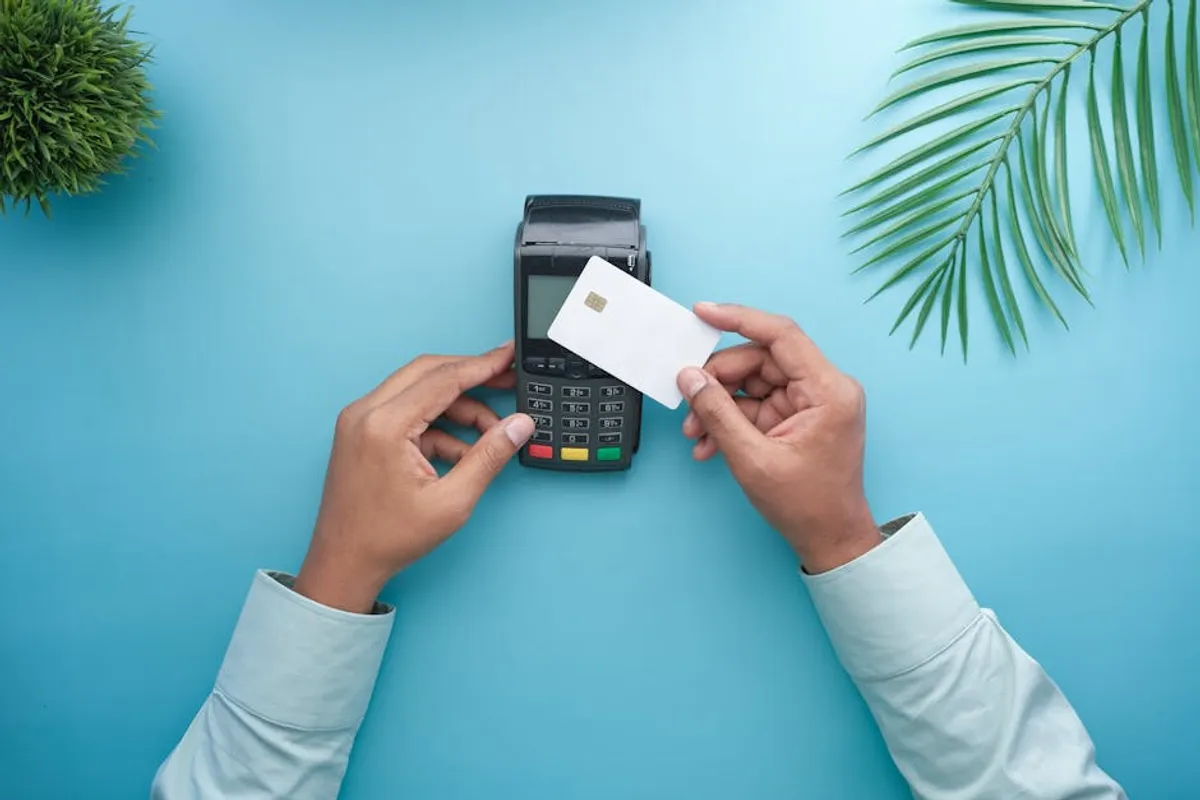
Navigating the landscape of online casino payment methods in Poland requires a precise understanding of local preferences, regulatory frameworks, and technological adoption. For operators, offering a diverse, secure, and efficient suite of payment options is not merely a convenience; it is a critical driver for player acquisition, retention, and overall operational viability. The choice of payment gateway directly impacts conversion rates at the deposit stage, influences player trust, and can significantly affect the speed and cost of financial transactions. This selection process is not static; it demands ongoing evaluation of emerging technologies, evolving user habits, and changes in the Polish financial sector to ensure sustained competitiveness and compliance.
How to Choose the Right Payment Method for the Polish Market
Selecting optimal payment methods for online casinos in Poland involves evaluating several key criteria beyond simple availability. Operators should prioritize options that align with user expectations for speed, security, and ease of use, while also considering the operational implications of each choice. The following factors are instrumental:
- Local Popularity and Trust: Prioritize methods widely adopted and trusted by Polish consumers, such as domestic instant bank transfer systems. Familiarity reduces friction and increases conversion.
- Transaction Speed: Instant deposits are non-negotiable for online gaming. Evaluate methods based on their processing times for both deposits and withdrawals, as rapid payouts enhance player satisfaction.
- Security Protocols: Robust encryption, fraud prevention, and compliance with PCI DSS standards are fundamental. Payment methods should offer multi-factor authentication and secure data handling to protect player funds and personal information.
- Fees and Costs: Analyze the fee structure for both the operator and the end-user. High transaction fees can erode margins or deter players. Consider costs for deposits, withdrawals, currency conversion, and chargebacks.
- Currency Support: Ensure the method supports Polish Złoty (PLN) natively or offers competitive conversion rates to avoid additional costs and inconvenience for players.
- Mobile Compatibility: With a significant portion of online gaming occurring on mobile devices, payment solutions must offer seamless integration and user experience across smartphones and tablets.
- Regulatory Compliance: Confirm that each payment method adheres to Polish financial regulations and anti-money laundering (AML) directives. This is crucial for maintaining operational integrity and avoiding penalties.
- Integration Complexity: Assess the technical effort required to integrate and maintain each payment gateway. Simpler, well-documented APIs can reduce development time and ongoing support costs.
- Customer Support: Evaluate the responsiveness and effectiveness of the payment provider's support team for both operators and players, particularly for dispute resolution and technical issues.
1. Przelewy24
Przelewy24 stands as a dominant local payment gateway in Poland, providing instant online bank transfers directly from a user's bank account. It acts as an aggregator, connecting users to over 150 Polish banks, allowing for real-time payments through familiar online banking interfaces. Its ubiquity and integration into the daily financial lives of Polish consumers make it an indispensable option for any online casino targeting this market.
Best for: Operators seeking to maximize deposit conversion rates among Polish players who prefer direct, secure, and instant bank transfers via their domestic banking system.
Pros:
- High trust and familiarity among Polish users, leading to strong adoption.
- Instant deposit processing, crucial for real-time gaming.
- Direct integration with a vast network of Polish banks, covering the majority of the market.
- Strong security features inherent to bank-level transactions.
Cons:
- Primarily limited to PLN transactions, which may require currency conversion for international operators or players.
- Withdrawal process can be less immediate than deposits, often reverting to standard bank transfer times.
- Not universally recognized outside of Poland, limiting its utility for broader European or global player bases.
Verdict: Essential for any casino targeting Poland, Przelewy24 leverages existing consumer banking habits for high-conversion, secure deposits, despite its regional focus for withdrawals.
2. Blik
Blik is a mobile payment system unique to Poland, enabling instant transfers and payments using a six-digit code generated by a user's banking app. It has rapidly gained traction due to its simplicity, speed, and deep integration with major Polish banks. Blik facilitates both online and offline transactions, making it a versatile and increasingly preferred method for digital payments, including online casino deposits.
Best for: Capturing the mobile-first segment of the Polish market, offering a fast, convenient, and secure deposit method directly from banking apps.
Pros:
- Exceptional ease of use and speed through mobile banking apps.
- High adoption rate and trust among Polish mobile users.
- Direct bank account linkage enhances security and reduces fraud risk.
- No need for credit card details or e-wallet accounts, simplifying the process.
Cons:
- Primarily a deposit-only method for many casino integrations; withdrawals often require alternative methods.
- Requires a Polish bank account and banking app, limiting its reach to non-Polish residents.
- Transaction limits can be lower than traditional bank transfers for some banks.
Verdict: A must-have for modern online casinos in Poland, Blik capitalizes on mobile convenience and local banking integration, even with its current limitations for withdrawals.
3. Visa/Mastercard
Visa and Mastercard remain globally recognized and widely accepted credit and debit card networks. In Poland, they are a foundational payment option, offering familiarity and convenience for users accustomed to card-based transactions. Their robust fraud protection mechanisms and broad acceptance make them a standard inclusion for any online casino aiming for a comprehensive payment offering.
Best for: Providing a universally understood and trusted payment option for a broad player base, including those less inclined towards local-specific solutions or e-wallets.
Pros:
- Global recognition and high user familiarity, reducing onboarding friction.
- Instant deposit processing in most cases.
- Strong fraud protection and chargeback policies, offering security for both users and merchants.
- Widely available for both deposits and withdrawals.
Cons:
- Potential for higher transaction fees for operators compared to some local bank transfer methods.
- Some players may be hesitant to share card details directly with online gaming sites.
- Withdrawal processing times can vary, often taking 1-5 business days.
Verdict: Essential for broad market appeal, Visa and Mastercard provide a reliable, globally accepted payment backbone, despite potential cost and privacy concerns for some users.
4. Skrill
Skrill is a popular e-wallet service, widely used in the online gambling sector globally, including Poland. It allows users to deposit funds into an online account and then transfer them to various merchants, including casinos, without directly exposing bank or card details. Skrill is known for its speed, security, and frequent promotions tailored to gaming users.
Best for: Players who prioritize fast, discreet transactions and prefer to manage their gambling funds separately from their main bank accounts.
Pros:
- Instant deposits and often rapid withdrawals (within hours) to and from casinos.
- Enhanced privacy, as bank or card details are not shared directly with the casino.
- Widely accepted across international online casinos.
- Offers a VIP program with lower fees and higher limits for frequent users.
Cons:
- Some welcome bonuses at online casinos are excluded for Skrill deposits due to past bonus abuse.
- Fees apply for funding the Skrill account and for withdrawals from Skrill to a bank account.
- Requires users to create and manage a separate e-wallet account.
Verdict: A strong choice for experienced online casino players seeking speed and privacy, but operators must be aware of potential bonus exclusion policies.
5. Neteller
Neteller operates as a global e-wallet, similar to Skrill, and is also highly prevalent in the online gambling industry. It provides a secure and fast method for depositing and withdrawing funds from online casinos, acting as an intermediary between the player's bank and the gaming site. Neteller is valued for its robust security features and international reach.
Best for: International players or those who frequently use multiple gaming platforms and prefer a centralized, secure e-wallet for their transactions.
Pros:
- Instant deposits and typically fast withdrawals (often within hours).
- High level of security and privacy, as personal financial details are kept separate from the casino.
- Accepted by a vast number of online casinos globally.
- Offers a prepaid Mastercard for easy access to funds.
Cons:
- Similar to Skrill, Neteller deposits are often excluded from casino welcome bonuses.
- Fees are applied for funding the Neteller account and for withdrawals to bank accounts.
- Requires users to set up and maintain a separate e-wallet.
Verdict: A reliable e-wallet solution for players valuing speed and discretion, though operators should communicate any bonus restrictions clearly.
6. Revolut
Revolut is a digital banking alternative that has gained significant popularity in Poland and across Europe. It offers multi-currency accounts, instant transfers, and a user-friendly mobile app. While not a traditional payment gateway in itself, Revolut accounts can be used to facilitate payments to online casinos via bank transfers or linked Visa/Mastercard debit cards, often with favorable exchange rates for international transactions.
Best for: Modern players who manage their finances through digital banking apps and seek competitive currency exchange rates for international casino play.
Pros:
- Excellent for managing multiple currencies, beneficial for players interacting with international casinos.
- Instant transfers between Revolut users and often fast bank transfers to external accounts.
- User-friendly mobile app with strong financial management features.
- Virtual cards enhance security for online transactions.
Cons:
- Not a direct payment method; relies on underlying bank transfer or card payment infrastructure.
- Some casinos might not explicitly list Revolut, requiring players to use it via general bank transfer or card options.
- Limits and fees can apply depending on the Revolut plan and transaction type.
Verdict: A powerful tool for financially savvy players, Revolut offers flexibility and cost savings, but its integration into casino payment systems is indirect.
7. Paysafecard
Paysafecard is a prepaid online payment solution that allows users to make deposits using a 16-digit PIN purchased at physical retail outlets. This method offers a high degree of anonymity and control over spending, as it doesn't require a bank account or credit card. It is particularly popular among players who prefer not to disclose personal financial information online or wish to manage their budget strictly.
Best for: Players prioritizing anonymity, budget control, and those without traditional banking facilities or who prefer not to use them for online gaming.
Pros:
- High level of anonymity, as no personal financial details are shared with the casino.
- Excellent for budget control, as users can only spend the pre-loaded amount.
- Widely available at physical retail locations across Poland.
- Instant deposits once the PIN is entered.
Cons:
- Generally not available for withdrawals, requiring players to use an alternative method for payouts.
- Purchase limits for individual PINs can be restrictive for high rollers.
- Requires a physical trip to a store to purchase the voucher.
Verdict: An ideal option for privacy-conscious and budget-focused players, though its deposit-only nature necessitates alternative withdrawal solutions.
8. Traditional Bank Transfers (Elixir, SEPA)
Traditional bank transfers, facilitated by systems like Poland's domestic Elixir or the broader European SEPA (Single Euro Payments Area), allow direct movement of funds from a player's bank account to the casino's bank account. While slower than instant methods, they are highly secure, reliable, and universally accepted by banks. They are often used for larger transactions or when other methods are unavailable.
Best for: Players making larger deposits or withdrawals who prioritize security and reliability over speed, or those without access to instant payment methods.
Pros:
- Extremely high security due to direct bank-to-bank transfers.
- No transaction limits imposed by third-party payment providers (limits are typically bank-dependent).
- Universally available for both deposits and withdrawals.
- No need for separate accounts or e-wallets.
Cons:
- Significantly slower processing times, often 1-5 business days for both deposits and withdrawals.
- Can involve higher fees for international transfers (SEPA transfers within the Eurozone are usually free or low-cost, but PLN to EUR conversions might incur fees).
- Requires manual entry of bank details, increasing potential for human error.
Verdict: A fundamental, highly secure method for substantial transactions, though its slower processing times make it less appealing for instant play.
9. Trustly
Trustly is a Swedish FinTech company that enables instant online bank payments directly from a consumer's bank account, without the need for registration or app downloads. It acts as a secure intermediary, facilitating payments between the user's bank and the merchant. Trustly is particularly strong in Europe for its "Pay N Play" model, offering swift deposits and withdrawals.
Best for: Players seeking instant, secure bank transfers without the need for e-wallet registration or credit card details, valuing speed for both deposits and withdrawals.
Pros:
- Instant deposits and often very fast withdrawals, sometimes within minutes.
- No registration required; users authenticate directly through their online bank.
- High level of security, as Trustly does not store user bank details.
- Supports a wide range of European banks, including many in Poland.
Cons:
- Not all Polish banks are integrated with Trustly, though coverage is extensive.
- Users must be comfortable sharing their online banking credentials with Trustly's interface (though Trustly itself does not store them).
- Less familiar to some users compared to traditional card payments or local Polish solutions.
Verdict: An excellent solution for instant bank transfers in Poland, offering a seamless experience for both deposits and withdrawals, contingent on bank integration.
10. MuchBetter
MuchBetter is a mobile-first e-wallet designed specifically for online gaming and lifestyle payments. It offers a user-friendly app for managing funds, making instant deposits, and facilitating withdrawals. MuchBetter emphasizes low fees, strong security features, and a rewards program, making it an attractive option for dedicated online casino players.
Best for: Mobile-savvy online casino players who prefer a dedicated e-wallet app with low fees and a focus on gaming transactions.
Pros:
- Designed with online gaming in mind, offering a smooth user experience.
- Instant deposits and fast withdrawals directly to the app.
- Competitive fees for funding and withdrawals compared to some other e-wallets.
- Strong security features, including dynamic CVV and touch ID.
Cons:
- Requires users to download and register for a separate mobile app.
- Not as universally recognized as Skrill or Neteller, potentially limiting its acceptance at all casinos.
- Some players may not want another financial app on their phone.
Verdict: A modern, mobile-centric e-wallet that provides a streamlined experience for gaming, especially appealing to players comfortable with app-based financial management.
11. MiFinity
MiFinity is an emerging global e-wallet solution that facilitates secure and rapid online payments, including deposits and withdrawals to online casinos. It supports multiple currencies and offers various funding options, including local payment methods, making it flexible for international players. MiFinity is building a reputation for its user-friendly interface and commitment to security.
Best for: Players looking for a versatile e-wallet with multi-currency support and a growing presence in the online gaming sector, offering flexibility in funding options.
Pros:
- Supports multiple currencies, beneficial for players dealing with international casinos.
- Instant deposits and typically fast withdrawals.
- Offers various funding options, including local bank transfers and cards.
- Strong focus on security and data protection.
Cons:
- Still less widely adopted than established e-wallets like Skrill and Neteller.
- Fees for certain transactions and currency conversions can apply.
- Requires registration for a new e-wallet account.
Verdict: A robust and flexible e-wallet option that offers good multi-currency support, making it a strong contender for international players in Poland as its adoption grows.
12. Jeton
Jeton Wallet is a digital payment solution that provides a secure and fast way to send and receive money globally, including making payments to online casinos. It supports over 50 currencies and offers various deposit and withdrawal methods, including local bank transfers, making it accessible to a diverse user base. Jeton is gaining traction in markets where traditional banking options might be less flexible.
Best for: Players seeking a global e-wallet with extensive currency support and a focus on emerging markets, offering flexibility in funding and withdrawals.
Pros:
- Extensive multi-currency support (50+ currencies), ideal for international players.
- Instant deposits and fast withdrawals.
- Offers a Jeton Card for spending funds, enhancing accessibility.
- Supports various local funding options, increasing convenience.
Cons:
- Not as widely recognized or integrated as some older e-wallets in the Polish market.
- Fees for some transactions and currency conversions can accumulate.
- Requires users to create and manage a dedicated e-wallet account.
Verdict: A versatile e-wallet with strong international capabilities, Jeton is a valuable option for casinos targeting a global player base or those seeking diverse funding solutions within Poland.
Measuring Success and Optimizing Payment Gateways
Beyond initial integration, successful payment gateway management requires continuous monitoring and optimization. Key performance indicators (KPIs) provide actionable insights into efficiency and player satisfaction. Operators should track:
- Deposit Conversion Rate: The percentage of players who initiate a deposit and successfully complete it. A low conversion rate for a specific method indicates friction points.
- Failed Transaction Rate: The frequency of deposits or withdrawals that do not complete. High rates signal technical issues, fraud flags, or user error.
- Average Deposit Value per Method: Identifies which payment methods are preferred by higher-value players, informing strategic marketing and bonus allocation.
- Withdrawal Speed and Success Rate: Crucial for player retention. Fast, reliable payouts build trust.
- Chargeback Ratio: The percentage of transactions disputed by players. High ratios indicate potential fraud, poor customer service, or unclear terms.
- Customer Support Inquiries: An increase in payment-related queries suggests issues with clarity, process, or reliability of a specific method.
Regularly reviewing these metrics allows operators to identify underperforming methods, negotiate better terms with providers